
SIBO After Antibiotics: What Actually Comes Next
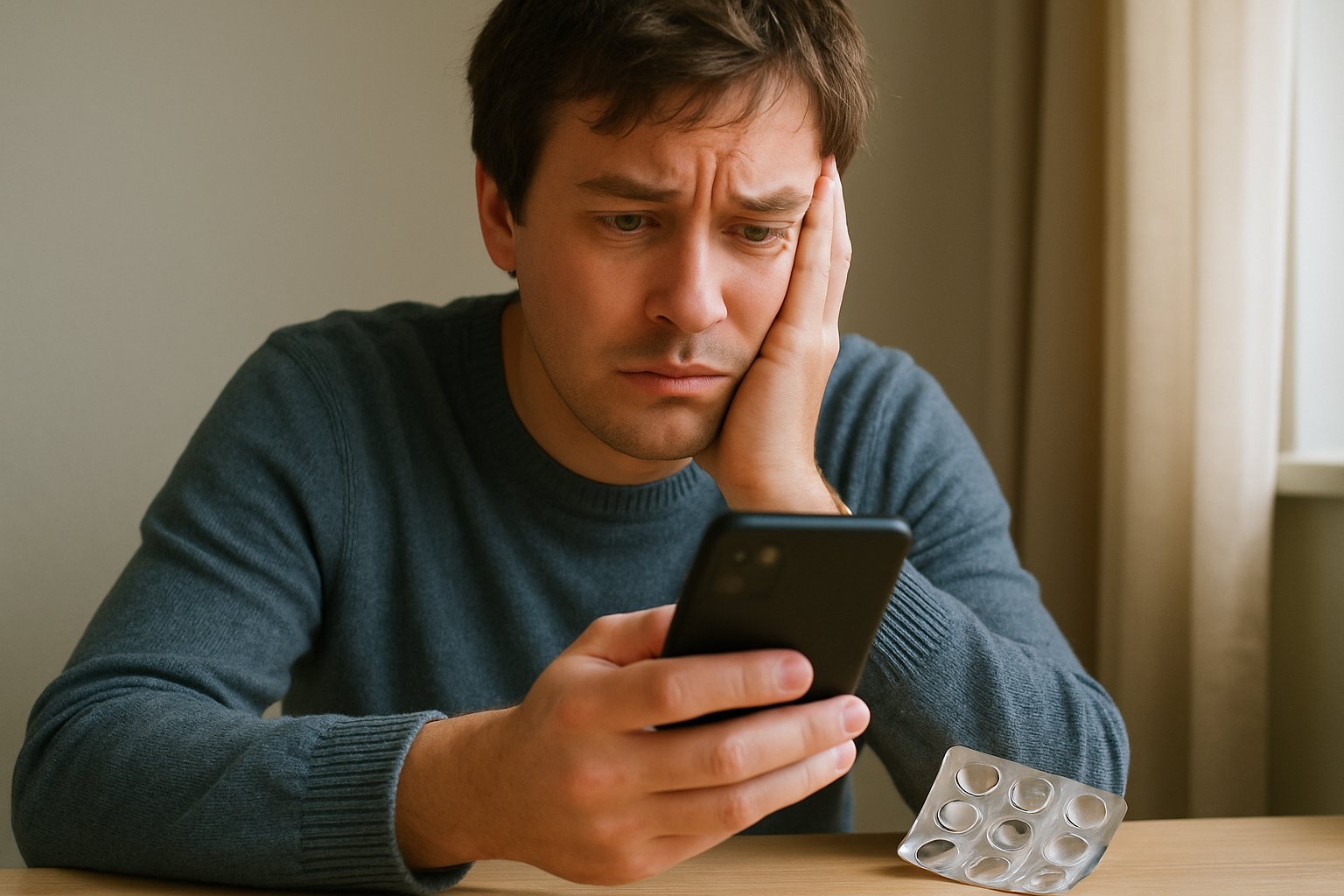
Figuring out what to do for SIBO after antibiotics is its own project. I finished my second round of rifaximin on a Friday, and by Monday I was back at my desk feeling maybe 20% better with no real idea what came next. My GI's instructions were basically: take this for 14 days, come back if it doesn't work. Nothing about retesting. Nothing about probiotics. Nothing about what to actually eat in week two. So I did what everyone does: opened Reddit and read 40 contradicting opinions in one sitting.
That gap, the space between finishing antibiotics for SIBO and knowing what to do with the weeks right after, is where a lot of people get stuck. What you do (or skip) in this window matters almost as much as the antibiotics did. Here's the sequence I eventually pieced together: when to think about prokinetics, how to approach probiotics, what to eat, and how to read the symptoms that show up afterward.
Why the Post-Antibiotic Period Matters
Antibiotics for SIBO don't just clear the overgrowth in your small intestine. They disrupt the microbiome broadly, beneficial bacteria included, which is part of why people sometimes feel rough for a few days even as the main problem resolves.
The bigger issue is motility. SIBO happens, in a lot of cases, because the migrating motor complex (the wave-like muscle contractions that sweep your small intestine between meals) isn't doing its job properly. The antibiotic clears out the bacteria that built up. It does nothing to fix the motility problem that let them build up in the first place. Dr. Mark Pimentel, a gastroenterologist who directs the GI motility program at Cedars-Sinai and has published extensively on SIBO recurrence, has pointed out that motility, not just bacterial overgrowth, is usually the real driver behind cases that keep coming back (source: Cedars-Sinai Medical Center).
So the small intestine, right after treatment, is in a strange spot: temporarily cleared out, but still vulnerable to getting recolonized from the large intestine if nothing addresses why it happened. This is the window where you either support recovery or quietly rebuild the same conditions that caused the SIBO in the first place.
Someone who finishes treatment, feels better for two weeks, then goes straight back to their old eating pattern and does nothing about motility, is a textbook setup for round two. (These are the three upstream reasons SIBO tends to come back, if you want to get ahead of it.)
The Post-Treatment Sequence
This is the part nobody explained to me. In the order I'd actually do it:
1. Consider prokinetics (start around week 1 to 2, continue 3 to 6 months)
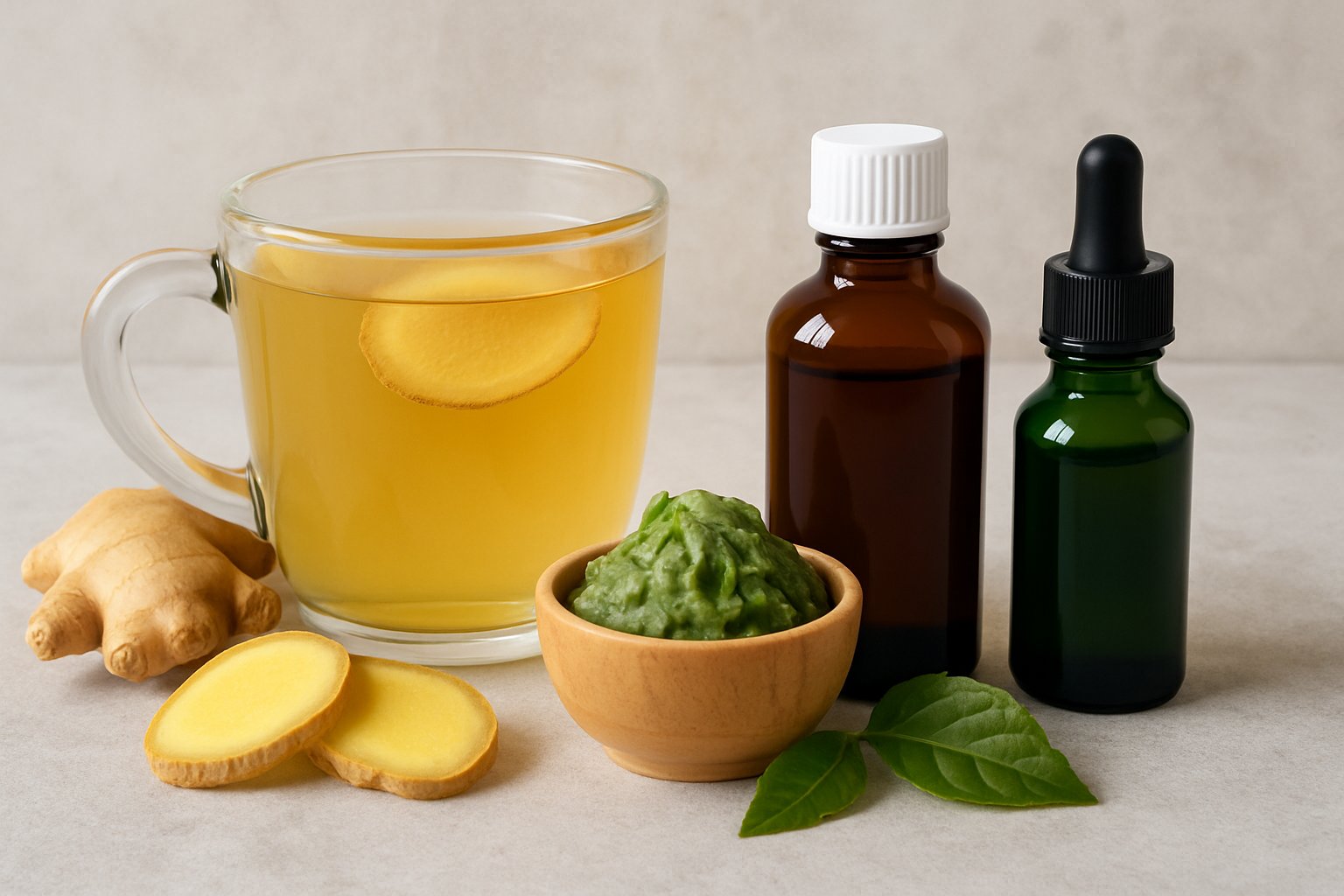
Prokinetics support the migrating motor complex, the mechanism that's supposed to sweep your small intestine clean between meals. This step gets skipped more than any other, probably because it's the least dramatic: no detox, no big diet change, just slow-acting support for a muscle function. Common options include ginger, artichoke extract, Iberogast, or prescription motility agents, but which one (and at what dose) is genuinely worth a conversation with whoever's treating you.
⚠️ Skipping prokinetics entirely is one of the most common reasons SIBO comes back. Rifaximin retreatment research has found that SIBO recurs in roughly 40-44% of people within 9 months of otherwise successful treatment (source: Lauritano et al., American Journal of Gastroenterology). Motility wasn't the only variable tracked in that study, but it's one of the most consistently cited reasons for relapse in clinical practice.
2. Approach probiotics carefully
Timing matters more than most people expect. Starting probiotics during the antibiotic course, or immediately after, can work against you for some SIBO types, since you're adding bacteria back into a small intestine that hasn't recovered yet. Some practitioners recommend waiting 2 to 4 weeks post-treatment before introducing anything.
Soil-based organisms and Saccharomyces boulardii (a beneficial yeast, not a bacteria) tend to be better tolerated immediately post-SIBO than lactobacillus-heavy blends. A meta-analysis on S. boulardii found it reduced antibiotic-associated digestive symptoms without adding more bacterial load to an already-disrupted gut (source: McFarland, Saccharomyces boulardii meta-analysis).
Introduce one thing at a time and actually track what happens. Probiotics are not universally helpful for SIBO, whatever the supplement aisle implies.
3. Eat to support recovery, not to test it
During treatment and right after, low-fermentation foods reduce the fuel available for whatever bacteria are left. As symptoms improve, FODMAP foods generally come back one subgroup at a time, testing each for a couple of days before moving to the next so a reaction is easy to trace. (Common mistakes people make with this exact reintroduction process →)
| Reintroduction step | Common approach | What to watch for |
|---|---|---|
| One FODMAP subgroup (e.g. lactose) | Test alone for 2-3 days | Bloating or gas within a few hours |
| Next subgroup (e.g. fructose) | Test alone for 2-3 days | Similar symptoms, sometimes slightly delayed |
| Remaining FODMAP groups | One at a time, same method | Same approach: one variable at a time |
💡 Worth knowing: The most common mistake here is going straight back to a normal, high-FODMAP diet the day symptoms feel better. The gut lining and motility need longer than the symptoms do.
4. Address root causes
If you never figured out why you developed SIBO to begin with, this is the window to look at it. Low stomach acid, structural issues, motility problems, past food poisoning: any of these can be the actual reason it happened, and none of them get fixed by the antibiotic. If this isn't your first round and you're trying to figure out why past attempts didn't stick, it helps to know which failure pattern you're actually in.
🔎 If you're trying to figure out what's actually driving your symptoms instead of guessing: Noorish builds a structured action plan from your full symptom and treatment history, so the next step is based on your actual picture, not a forum thread. Start here →
What to Expect: Symptom Patterns After Treatment
This part confused me the most, so it's worth being specific about it.
Feeling worse before better is common in week 1 to 2. Some people get a temporary flare as the microbiome adjusts. It's uncomfortable, but it's not automatically a sign the treatment failed.
Continued improvement over 2 to 3 months is the more realistic timeline. Clearing the overgrowth is the start of recovery, not the finish line. The gut lining and the microbiome both take longer to settle than the breath test does to come back clean.
Symptoms returning within 2 to 4 weeks usually points to incomplete clearance, or an upstream problem (motility, stomach acid) driving rapid re-overgrowth.
Still symptomatic at 3 months is worth a retest and an honest look at which of the above applies to you.
| Timing of symptom return | What it likely means |
|---|---|
| Worse in week 1-2, then improving | Normal microbiome adjustment |
| Gradual improvement over 2-3 months | Expected recovery curve |
| Back within 2-4 weeks | Incomplete clearance or motility issue |
| Still present at 3 months | Worth retesting |
Someone who feels fine for three weeks, stops paying attention, then suddenly bloats again at week five often assumes it's a new problem. Usually it's the same one, just resurfacing on schedule.
This is exactly the kind of pattern that's hard to see in the moment and obvious in hindsight, which is part of why a written record helps more than memory does here. That's the gap Noorish is built for: mapping out your symptoms against your actual treatment timeline so you can tell a normal adjustment apart from an actual recurrence, instead of guessing at week five whether something's wrong.
Conclusion
The antibiotic's job was narrow: clear the overgrowth. Everything after that, the prokinetics, the probiotic timing, the food reintroduction, the watching and waiting, is what actually determines whether this is a one-time thing or the first of several rounds.
Treat the weeks after treatment as active management, not a waiting period. Retest around 2 to 4 weeks post-treatment if symptoms aren't behaving the way you'd expect. That window is common clinical practice for avoiding a false negative (too soon) without losing time if the overgrowth is still there (too late), though there's no single universal guideline number. Start thinking about prokinetics early rather than after a relapse. And keep some kind of record of what you're trying and when, because the patterns above are nearly impossible to catch from memory alone.
🔎 Noorish: Gut Health Action Plan
Don't go into the post-antibiotic window guessing. Know exactly what to try next.
- ✅ Build a structured gut symptom history to share with your doctor
- ✅ Understand what's actually driving your symptoms
- ✅ Get a science-based action plan for what to try next
- ✅ Optional: validation from a real nutritionist
What should I do after finishing SIBO antibiotics?
Start thinking about a prokinetic within the first week or two, hold off on probiotics for at least 2 to 4 weeks, eat low-fermentation foods while things settle, and plan a retest around the 2 to 4 week mark if anything feels off.
How long after SIBO treatment should I retest?
Most practitioners suggest 2 to 4 weeks post-treatment for a breath test retest. Testing too early can give a false sense of security. Testing too late means you've already lost time if the overgrowth is still there.
Should I take probiotics after SIBO antibiotics?
It depends on the type and the timing. Soil-based organisms or Saccharomyces boulardii are generally better tolerated soon after treatment than lactobacillus-heavy blends. Introduce one at a time and track how you respond rather than assuming probiotics are automatically helpful.
How long does it take to feel better after SIBO antibiotics?
Some people notice a temporary dip in week 1 to 2 before things improve. Real, stable improvement usually plays out over 2 to 3 months, not days. If nothing has shifted by 3 months, that's worth a retest.
What is a prokinetic and do I need one after SIBO treatment?
A prokinetic supports the migrating motor complex, the muscle contractions that sweep your small intestine between meals. Most people benefit from one for 3 to 6 months after SIBO treatment, since weak motility is a major driver of recurrence.
Why do I still have symptoms after finishing SIBO antibiotics?
It can mean incomplete clearance, an unaddressed motility or stomach acid issue, or just the normal adjustment period that follows treatment. If symptoms haven't shifted by 3 months, retesting and reviewing what's actually driving them is the next step.